Why Contractors Prefer LightGuard Systems for In Roadway Warning Light Installations
IRWL success is driven by installation efficiency adaptability to site conditions and long term reliability
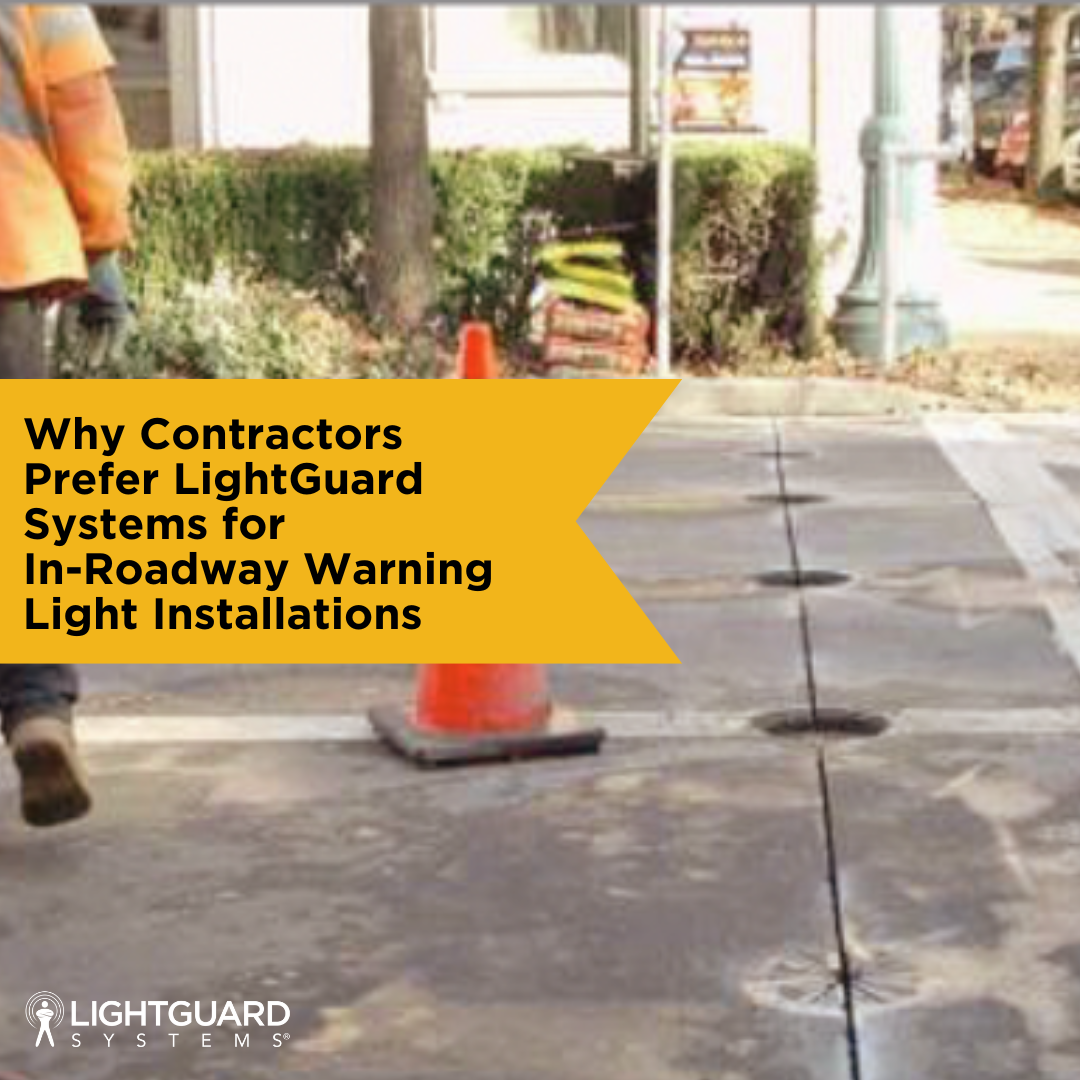
For contractors working with in-roadway warning lights, the job is rarely about the lights alone. It’s about how quickly you can get them in, how well they adapt once you hit real pavement conditions, and whether they’re still doing their job a few winters down the line. LightGuard System seems to understand that balance. Their IRWL setups are built with installation in mind first, then long-term performance, not the other way around.
Shallow Saw Cuts for Faster, Less Invasive Installation
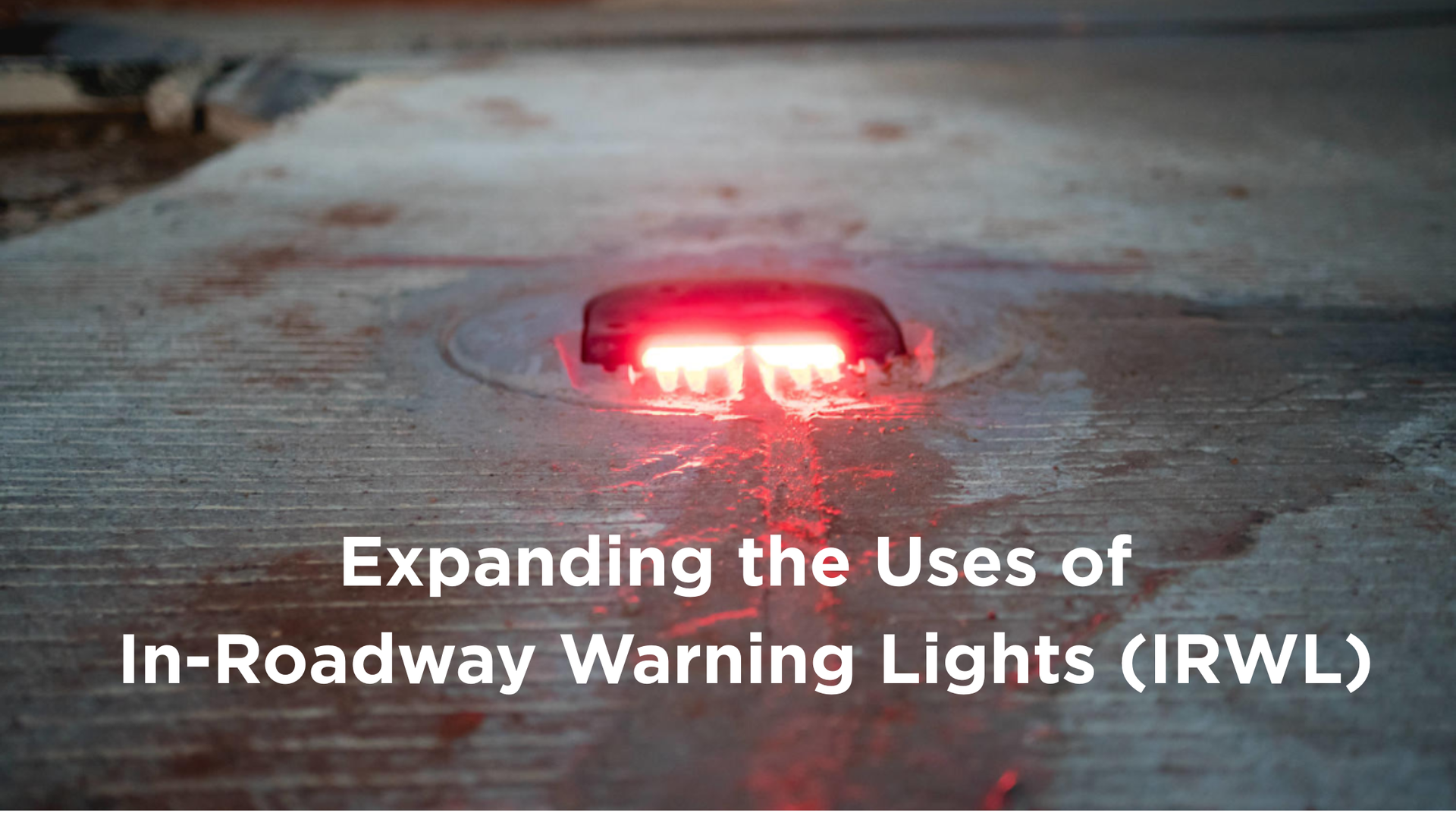
LightGuard System IRWL is installed into a two-inch deep, ten-inch round saw cut. That detail matters more than it might seem at first glance.
Shallower cuts mean less time on the saw, less wear on equipment, and fewer surprises when you’re working over utilities or rebar. Anyone who’s had to stop mid-cut because they hit something unexpected knows how quickly a “simple install” turns into a problem.
It also keeps the pavement structure more intact. That pays off later, fewer failures, cleaner restoration, and less chance of callbacks. On active roadways or retrofit jobs, that kind of efficiency isn’t just helpful, it’s the difference between staying on schedule or not. These kinds of efficiencies become especially important when installing in-roadway warning lights across busy corridors.
Compatible with Concrete and Asphalt Pavement
Switching systems between asphalt and concrete jobs is a headache most crews would rather avoid. LightGuard sidesteps that.
The same IRWL setup works across both surfaces, whether it’s a municipal crosswalk, a school zone, a campus roadway, or a parking structure. You’re not juggling multiple product lines or rethinking installation methods from one site to the next.
It simplifies bidding, too. Fewer variables, clearer estimates. For contractors regularly deploying in-roadway warning lights, that consistency can save both time and budget.
Durable Stainless Steel Construction with Flexible Base Options
The housings are stainless steel, built to take traffic loads, weather exposure, and the kind of freeze-thaw cycles that quietly destroy weaker installations over time.
What stands out is the flexibility at the base. Installers can choose between composite or stainless steel base plates depending on the pavement and site conditions. That choice isn’t cosmetical; it’s what determines how well the system holds up after thousands of vehicle passes and seasonal shifts.
IRWL Installation and Maintenance Advantages
- Easy to install and mount to the roadway base.
- Direct bury cable and wire reducing trenching and conduit.
- Two part epoxy compound permanently bonds base plates to the roadway.
- Quick and easy IRWL replacement minimizing downtime.
- Three year warranty on IRWL for most systems including parts and labor.
- Three year warranty on base plates.
Together these features help contractors complete projects faster reduce callbacks and deliver long term reliability.
Multiple Pedestrian Activation Methods for Any Application
No two crossings behave the same, and LightGuard doesn’t force them into a single activation model.
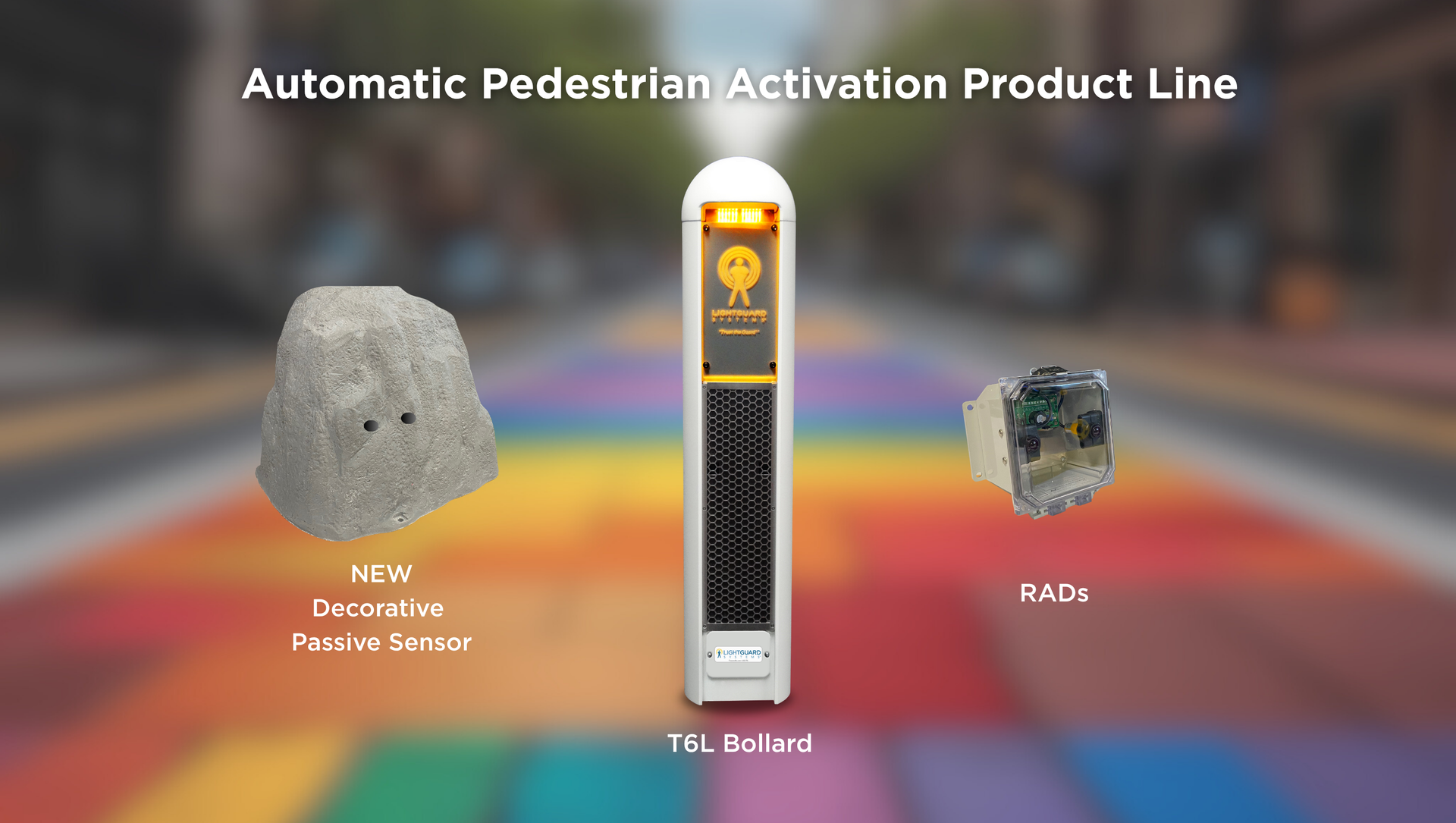
You can go with standard push buttons, passive detection sensors, bollard-mounted options, decorative or otherwise, or combine multiple sensor types depending on how the crossing is used. Some sites need simple, manual activation. Others benefit from fully passive systems that trigger without user input.
The key is that you don’t have to redesign the system to make those changes. The core infrastructure stays the same, which is particularly useful when scaling in-roadway warning lights across different environments.
Advanced Controllers Built for Flexibility and Expansion
The controller is where a lot of systems either shine or become a headache. LightGuard’s approach leans toward practicality.
Multiple inputs and outputs allow different activation devices to tie in without complication. The LCD interface is straightforward, no digging through obscure settings just to make a small adjustment. You can check system status, tweak configurations, and troubleshoot without needing a manual every five minutes.
It also leaves room for future changes. If the site evolves, the system doesn’t need to be rebuilt from scratch.
Performance and Installation Benefits at a Glance
The lights are visible in full daylight and hold up just as well at night, no drop-off where it matters most. Power consumption stays under twenty watts, which opens the door for solar setups without pushing system limits.
They run on twelve VDC and can be configured for AC, solar, or fully wireless solar installations. The LED technology is solid, long service life, and requires minimal maintenance. The controller allows for timing adjustments and behavior tuning, which is useful when traffic patterns don’t quite match initial assumptions.
There’s also data collection built in. Not something every project uses immediately, but it’s there when needed. And the Enlighten one flash rate, it’s subtle, but it does improve driver recognition compared to more generic flash patterns.
IRWL Installation and Maintenance Advantages
Installation is straightforward. The system mounts cleanly to the roadway base, and direct-bury cabling reduces the need for trenching or conduit work. That alone can shave significant time off a project.
The two-part epoxy bonding holds the base plates firmly in place, which is critical for long-term stability. When a unit does need replacement, it’s quick, with no extended closures or complicated removal.
The three-year warranty on IRWL components and base plates, including parts and labor for most systems, isn’t just a line item. It reflects confidence in how the system performs in the field.
Multiple Twelve-Volt Power Options for Any Site Condition
Power access isn’t always convenient. LightGuard System accounts for that with twelve-volt systems that can run on AC, solar, or solar wireless configurations.
On sites where trenching is impractical or simply too disruptive, solar options make the installation far more manageable. Less electrical work, fewer safety concerns, and a cleaner setup overall. These options are especially valuable when deploying in-roadway warning lights in remote or high-traffic locations.
Added Confidence with a Three-Year Warranty
Most LightGuard System IRWL installations come with a three-year warranty covering parts and labor, along with separate coverage for base plates.
For contractors, that reduces the risk of post-installation issues turning into unpaid return visits. For owners, it’s reassurance that the system won’t quietly fail after the first year.
Designed for Contractors Built for Long-Term Performance
There’s a noticeable difference between products designed in theory and those shaped by field experience. LightGuard System leans toward the latter.
The systems install quickly, adapt to different surfaces and activation needs, and keep power and maintenance demands low. Over time, that translates into fewer issues, fewer callbacks, and installations that hold up the way they’re supposed to.
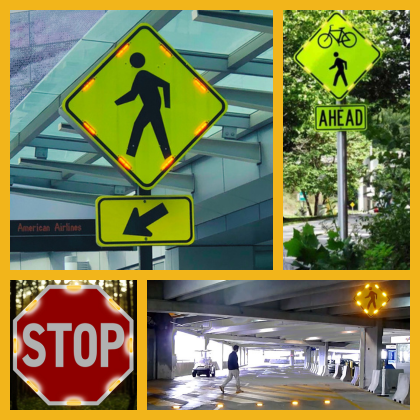
It’s not flashy. It just works, and in this line of work, that’s usually what matters most, whether you’re installing in-roadway warning lights or integrating them with broader flashing pedestrian warning sign systems.






LightGuard Systems is a registered trademark™ of LightGuard Systems, Inc. Smart Crosswalk is a trademark™ name of LightGuard Systems, Inc. ©2021 LightGuard Systems, Inc. All rights reserved.
Let Us Help You Design a Safer Crosswalk System in Your Community! Contact LightGuard Systems Now.





