Pedestrian Safety Grants for Lighted Crosswalk Systems
Federal and State Pedestrian Safety Grant Programs for Lighted Crosswalk Systems
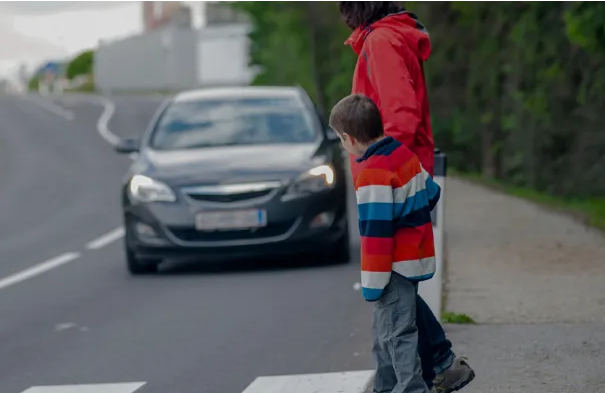
Improving pedestrian safety is no longer a niche concern. It sits at the center of how transportation agencies, municipalities, campuses, airports, hospitals, parking structures, and even private developments think about roadway design. And increasingly, pedestrian safety systems are part of that conversation from the start, not added later as an afterthought.
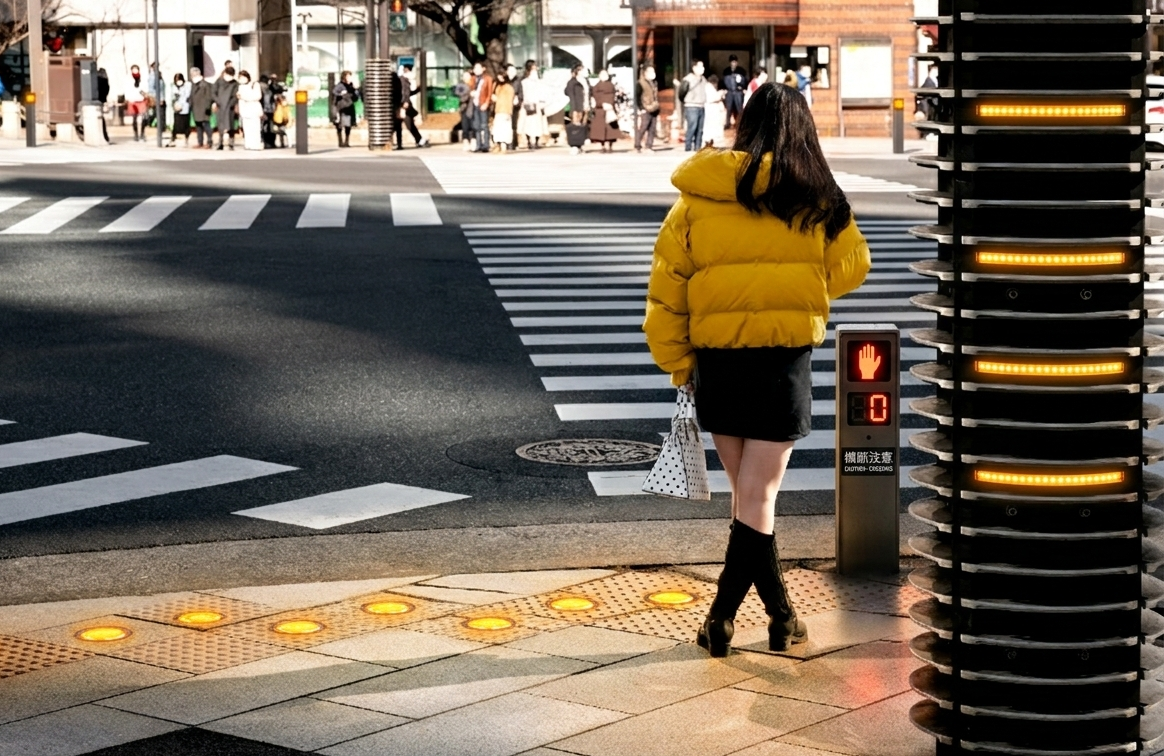
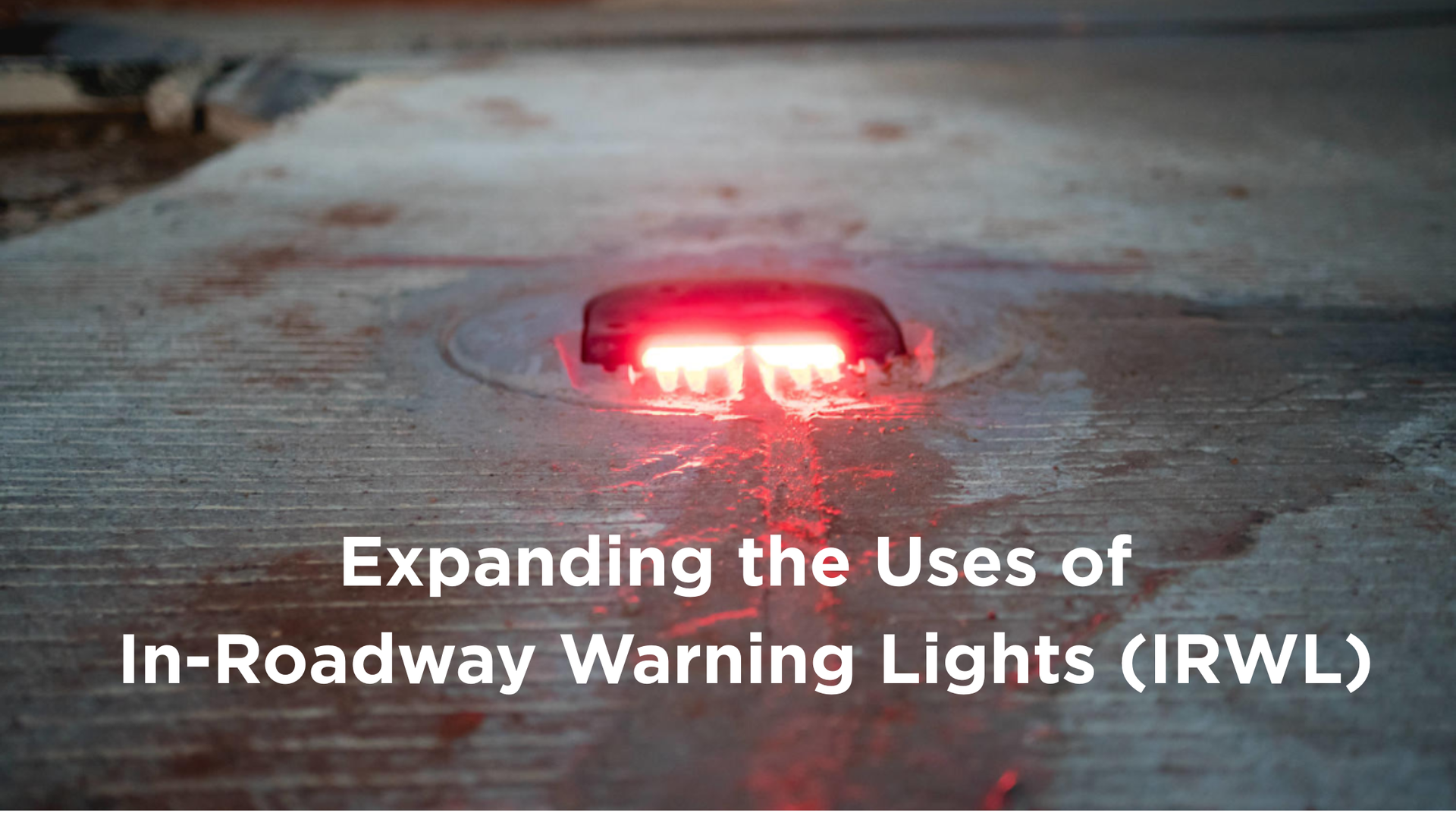
Lighted crosswalk systems, whether that’s in-pavement flashing amber LEDs, illuminated signage, or targeted nighttime visibility upgrades, have earned their place. Not because they look good on a plan set, but because they work. Drivers notice them. Pedestrians feel the difference. Crash data tends to follow.
The funding is there, too, if you know where to look and how to position the project. Most successful applications don’t treat these systems as isolated upgrades. They tie them to a broader safety story, one that’s backed by data, context, and a clear understanding of risk.
Federal Pedestrian Safety Grant Programs
Safe Streets and Roads for All (SS4A) is one of the more visible funding streams right now. It’s competitive, yes, but it’s also flexible if the groundwork is in place. Created under the Bipartisan Infrastructure Law and administered by the U.S. Department of Transportation, SS4A focuses on reducing fatalities and serious injuries at scale.
Safe Streets and Roads for All (SS4A) is one of the more visible funding streams right now. It’s competitive, yes, but it’s also flexible if the groundwork is in place. Created under the Bipartisan Infrastructure Law and administered by the U.S. Department of Transportation, SS4A focuses on reducing fatalities and serious injuries at scale.
SS4A tends to favor applicants working at a broader level, cities, counties, MPOs, tribal governments, and those looking at networks, not just single intersections.
The Highway Safety Improvement Program (HSIP) operates a bit differently. It’s formula-funded, distributed to states, and grounded heavily in data. If there’s a pattern of crashes, especially severe ones, HSIP is often part of the funding conversation.
Pedestrian crossing improvements, including lighting and visibility enhancements, are commonly funded here. The key is documentation. Crash history, contributing factors, and site-specific risk all need to be clear. When pedestrian safety systems are presented as targeted countermeasures rather than general upgrades, they tend to align well with HSIP priorities.
Each state DOT manages its own process, which means timelines and requirements vary. Still, the underlying principle stays consistent: data drives decisions.
Transportation Alternatives Set-Aside funding leans more toward multimodal access, walking, biking, and connectivity. It’s often used for crosswalk improvements, ADA upgrades, and visibility enhancements, including lighting when it supports safe pedestrian movement.
These programs run through state DOTs and MPOs, and they’re competitive. What makes a difference here is how well the project connects to broader mobility goals. Not just safety in isolation, but access, who’s using the corridor, and why.
In many cases, pedestrian safety systems strengthen an application when they’re paired with infrastructure that improves overall usability, not just compliance.
The U.S. Department of Transportation’s Competitive Grants Dashboard is worth keeping open in a browser tab. It’s not flashy, but it’s practical. It tracks current and upcoming opportunities across safety, infrastructure, and multimodal funding.
For agencies trying to time applications or identify the right program, it’s one of the more useful tools available.
State-Level Pedestrian Enhancement Funding
At the state level, the structure is familiar, even if the names change.
First, there are state-administered HSIP and local safety programs. These routinely fund pedestrian crossings, lighting, and visibility improvements, provided the project is grounded in data. Local road safety programs often fall into this category as well.
Second, Transportation Alternatives programs continue at the state and MPO level, each with its own application cycle and scoring criteria. Eligibility lists almost always include pedestrian lighting and enhanced crossings.
Beyond those, many states run their own initiatives, Active Transportation Programs, Complete Streets grants, Multimodal Transportation funds, and Safe Routes to School infrastructure. The branding varies, but the intent is consistent: safer, more accessible streets.
These programs often support installations near schools, campuses, transit stops, hospitals, and employment centers. In other words, places where pedestrian activity isn’t optional, it’s constant. That’s where pedestrian safety systems tend to show their value most clearly.
How to Position Lighted Crosswalk Systems for Grant Success
This is where projects are won or quietly set aside.
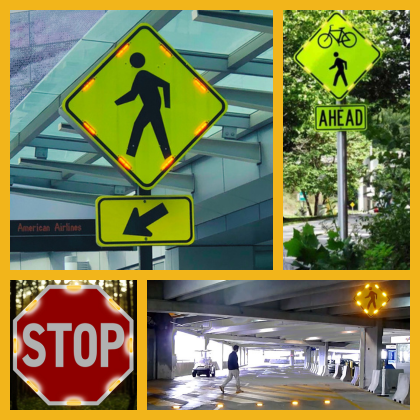
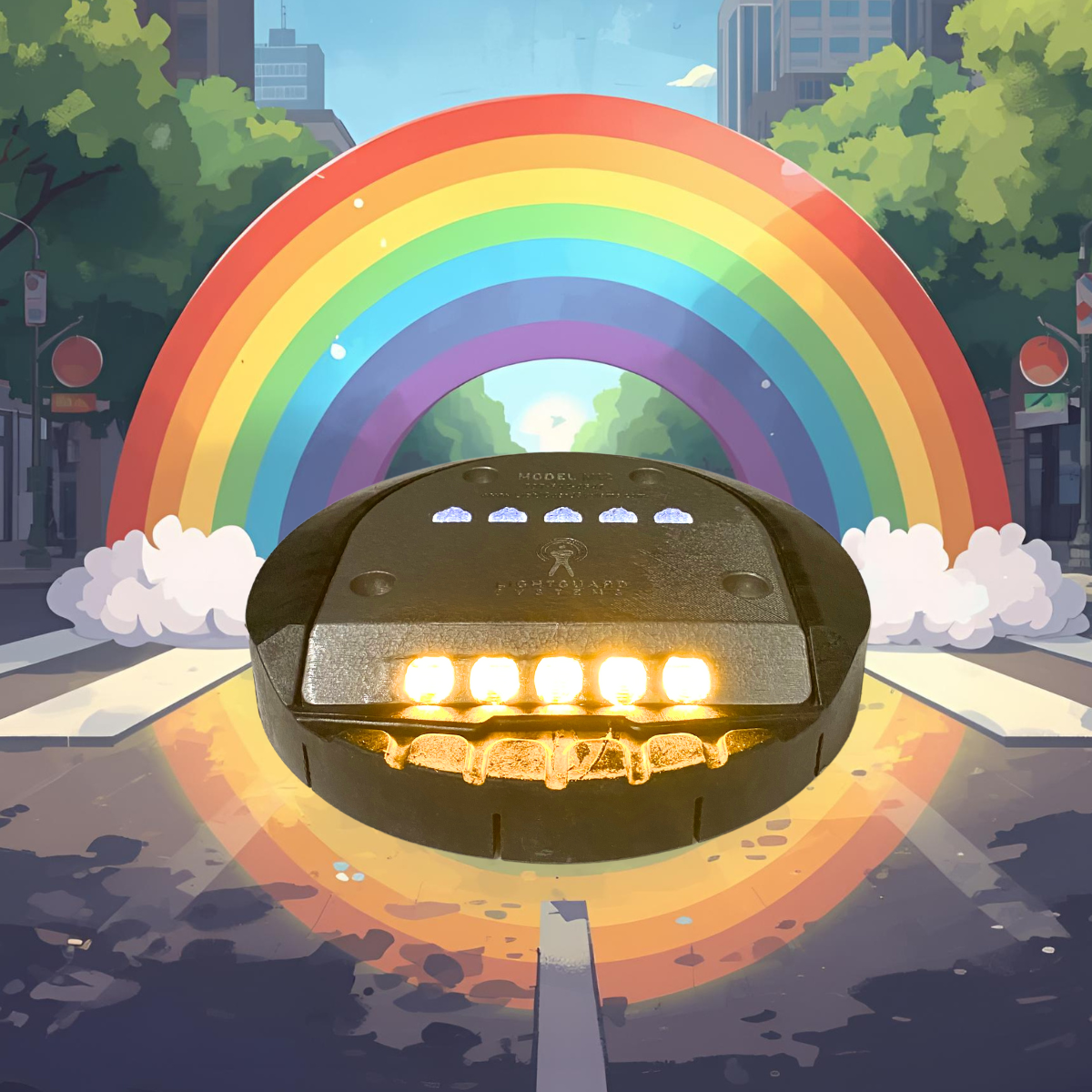
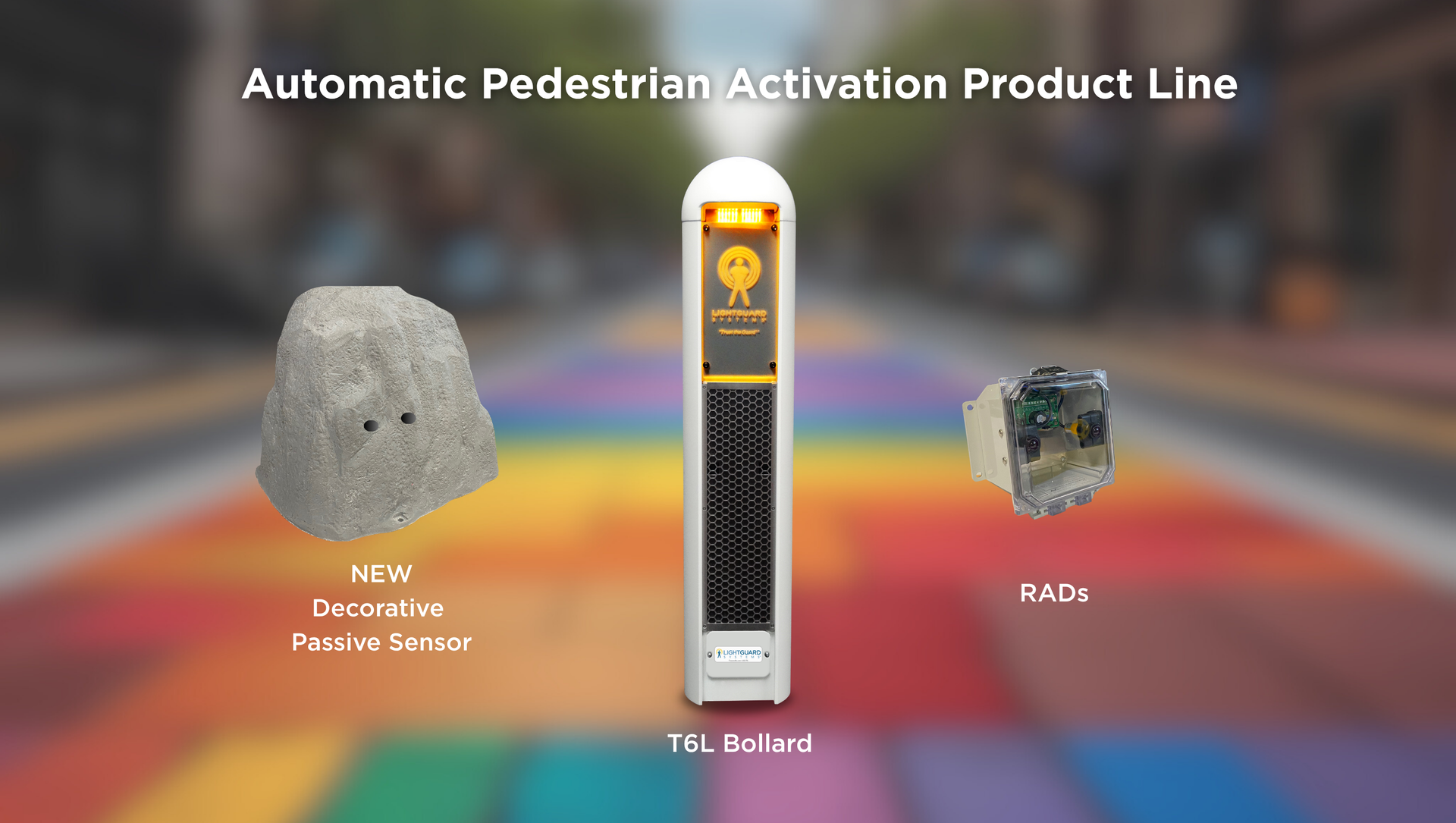
Lighted crosswalk systems, including LightGuard System’s in-roadway warning lights, Rectangular Rapid Flashing Beacons (RRFB), and flashing pedestrian, school crossing, or other MUTCD warning signs, perform best in grant applications when they’re part of a package. Not a standalone fix.
Strong applications usually highlight a few consistent themes:
● Nighttime visibility challenges
● High pedestrian volumes or known risk areas
● Accessibility gaps, especially ADA-related
● Proximity to schools, campuses, medical facilities, airports, or transit
● Corridor-level safety strategies rather than isolated points
Bundling matters. Lighting paired with signage, pavement markings, ADA ramps, and even traffic calming measures tends to score better. It shows intent. It shows planning. And frankly, it reflects how these systems are actually used in the field.
Summary of Funding Pathways
Safe Streets and Roads for All is a federal competitive grant program.
Highway Safety Improvement Program funding is federal but administered by states.
Transportation Alternatives Set-Aside funding flows from federal to state and MPO competitive programs.
State active transportation and safety programs vary by state and are typically competitive.
Official Grant Program Links
Safe Streets and Roads for All (SS4A)
https://www.transportation.gov/grants/SS4A
SS4A Implementation Grants
https://www.transportation.gov/grants/ss4a/implementation-grants
SS4A Planning and Demonstration Grants
https://www.transportation.gov/grants/ss4a/planning-and-demonstration-activities
Highway Safety Improvement Program (HSIP)
https://highways.dot.gov/safety/hsip
HSIP Infrastructure Investment and Jobs Act Overview
https://www.fhwa.dot.gov/infrastructure-investment-and-jobs-act/hsip.cfm
Transportation Alternatives Set-Aside
https://www.fhwa.dot.gov/infrastructure-investment-and-jobs-act/ta.cfm
USDOT Competitive Grants Dashboard
https://www.transportation.gov/grants/dashboard
State Highway Safety Improvement Programs
Search “[State] DOT Highway Safety Improvement Program”
Transportation Alternatives State and MPO Programs
Search “[State] Transportation Alternatives Set-Aside”
State Active Transportation and Complete Streets Programs
Search “[State] Active Transportation Grant Program”
Final Takeaway
Lighted crosswalk systems align closely with current safety priorities, a nd that alignment matters when funding is on the line. When projects are framed around real risk, supported by data, and tied to accessibility and network-level improvements, they tend to move forward.
Done right, these installations don’t just check a compliance box. They change how crossings function day to day. And whether you’re building out broader pedestrian safety systems or upgrading existing infrastructure, integrating lighted crosswalks is often one of the most practical steps toward making those spaces safer, and noticeably so.



LightGuard Systems is a registered trademark™ of LightGuard Systems, Inc. Smart Crosswalk is a trademark™ name of LightGuard Systems, Inc. ©2021 LightGuard Systems, Inc. All rights reserved.
Let Us Help You Design a Safer Crosswalk System in Your Community! Contact LightGuard Systems Now.





